Expunctions and Non-disclosures in Texas
a Guide to Clearing Your Record
If you’ve been arrested in Texas—even if the case was dismissed—the record doesn’t automatically disappear. Anyone who runs a background check (employers, landlords, lenders, even potential dating partners) may still see it. Fortunately, Texas law provides two powerful tools to help you move forward: expunctions and orders of nondisclosure.
Understanding the difference between the two is essential when trying to protect your reputation, career, and future. Below is a clear, guide to help you understand your options—and why having the right attorney matters.
What Is an Expunction?
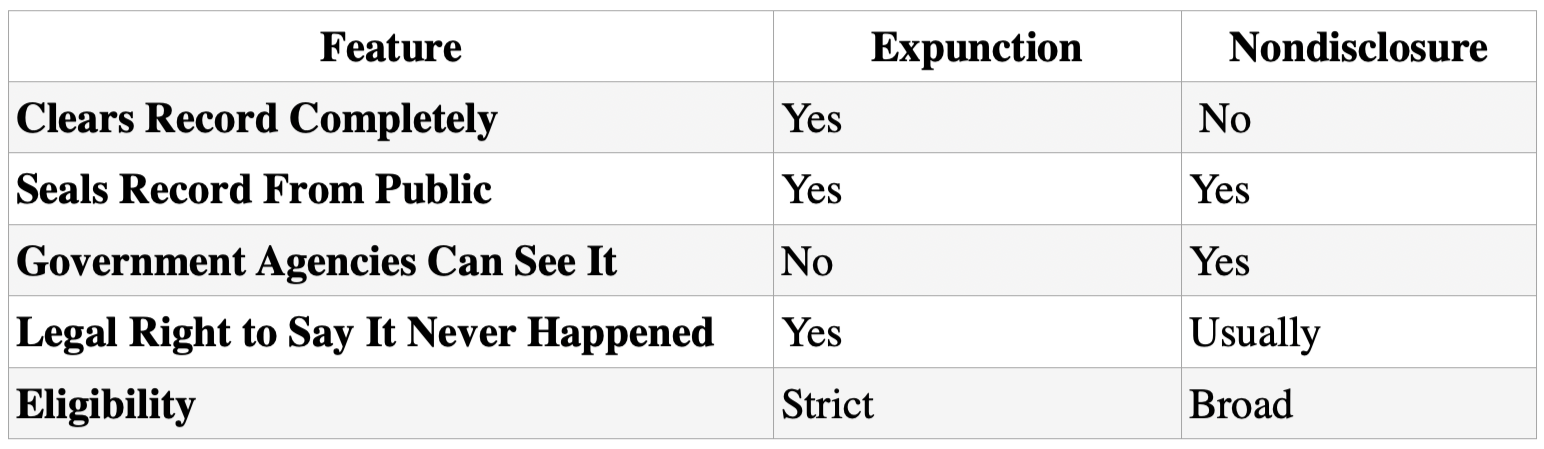
An expunction (also called expungement) is the cleanest possible result for a criminal record in Texas. When a judge grants an expunction:
Your criminal record is completely erased
Private companies and the general public cannot access the record
Government agencies must destroy their files
You can legally say the arrest never happened
Who Qualifies for an Expunction?
You may be eligible if:
Your case was dismissed
You were found not guilty at trial
You received a pardon
You completed a qualified pretrial diversion program
You were arrested but never charged, and the statute of limitations has expired
You were a victim of identity theft
Expunctions are powerful—but also strict. If you plead guilty, even to a reduced charge, you usually cannot get an expunction.
What Is an Order of Nondisclosure in Texas?
If you don’t qualify for an expunction, an order of nondisclosure might be the next best option. An order of nondisclosure seals your record from public view.
Here’s what nondisclosure does:
Hides your record from the general public
Prevents most employers, landlords, and background check companies from seeing it
Allows you to legally deny the offense in most situations
Who Can See a Nondisclosed Record?
Some government agencies—including law enforcement, schools, and hospitals—may still access it. But for most people, the record will be invisible.
Who Qualifies for Nondisclosure?
You may qualify if:
You completed deferred adjudication for an eligible offense
You were convicted of certain misdemeanors but meet the waiting period and eligibility criteria
Your case does not involve violence, weapons, or other disqualifying factors
Nondisclosure rules vary depending on the charge, so having the right lawyer is essential.
Expunction vs. Nondisclosure: What’s the Difference?
Why Clearing Your Record Matters More Than Ever
In today’s digital world, information spreads faster and farther than ever. With AI-powered background checks, public-data scraping, and automated reputation tools:
Old records are easier to find
Private data brokers collect and resell court records
Even dismissed cases can damage your personal and professional reputation
This makes obtaining an expunction or nondisclosure critical for protecting your future.
How an Experienced Criminal Defense Attorney Can Help
Navigating the Texas expunction and nondisclosure process is complex. Filing the wrong form, missing a deadline, or misunderstanding eligibility could cost you years—or cost you the opportunity altogether.
An experienced defense attorney will:
Analyze your record for eligibility
File all petitions correctly and efficiently
Represent you at hearings
Ensure agencies properly remove or seal your record
Protect your rights throughout the entire process
Your future is too important to risk with guesswork.
Ready to Clear Your Record? Contact Routledge Law Firm TOday!
If you’re ready to move forward with confidence, Routledge Law Firm is here to help. We aggressively pursue expunctions and nondisclosures for clients across Tarrant County and the DFW area—giving you the clean slate you deserve. Call today to schedule a consultation.
Trusted. Experienced. Local. Your future is worth protecting—let Routledge Law Firm fight for it. Take control of your life. Contact Routledge Law Firm now.